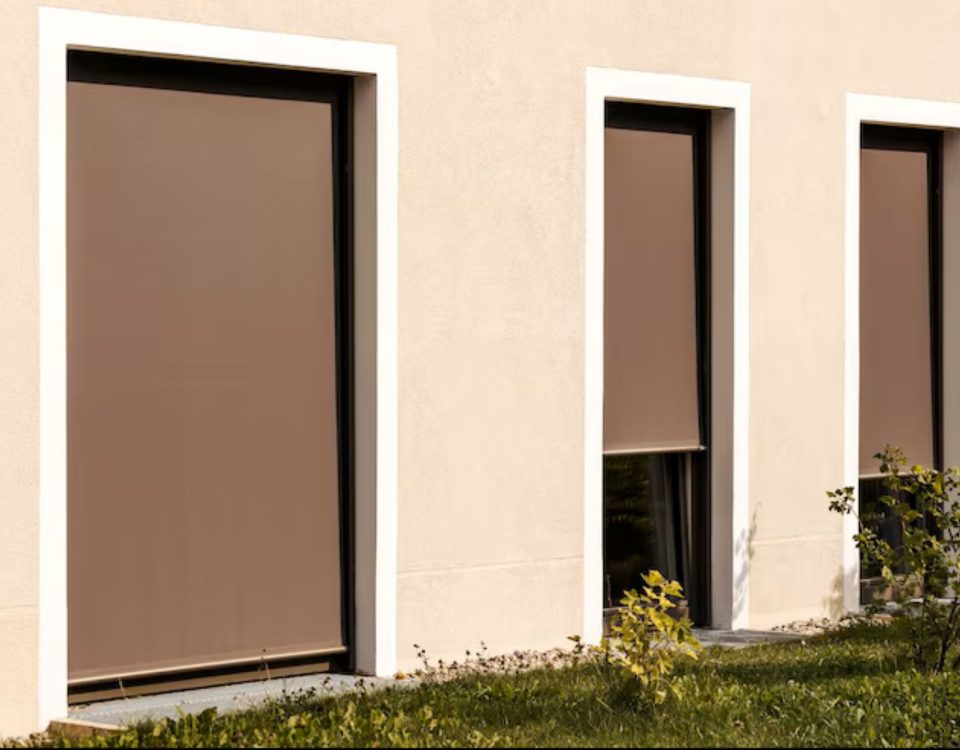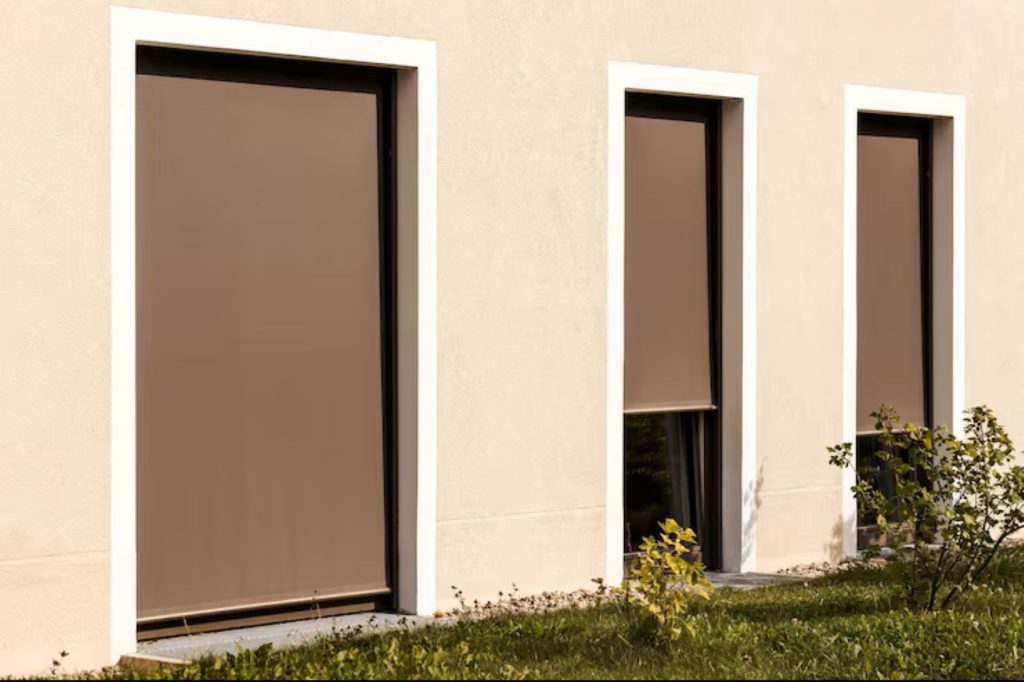
External Roller Blinds in Brisbane That Keep Out Harsh Sun
November 2, 2025
Poolside Shade Sails in Brisbane for Ultimate Comfort
November 16, 2025
With the warmer months closing in fast, outdoor blinds start to feel like less of a luxury and more like something we all need. Brisbane’s summer brings long spells of sun, heat and storms, and if your outdoor blinds can’t handle those conditions, you’ll feel it pretty quickly. The sun fades surfaces faster than you’d think, and strong winds or sudden downpours can leave blinds looking tired long before they should.
That’s why choosing the right materials for outdoor blinds matters. Not everything off-the-shelf can handle a Queensland summer, and if you want your shaded space to stay useful and comfy, you need materials that last. Getting it right early saves a lot of hassle later. This guide walks through what makes some blind materials better than others and how to figure out what suits your space best.
What Makes an Outdoor Blind Material Summer-Ready
Summer in Queensland isn’t gentle on anything that lives outside. Strong sun, heavy rain and bursts of wind all play a part. Outdoor blinds don’t just offer shade, they have to stand up to all those elements day after day.
When the wrong blind material is used, you see it fast. Maybe the colour starts to fade within a few months, or the fabric sags and ripples from holding too much water. Sometimes you’ll spot cracking where the material gets most of the sun, or the stitching starts to split. These are all signs that the blinds weren’t built for the heat.
Good outdoor blind materials share a few common traits:
– UV resistance, which helps the blind hold its shape and colour even with harsh sun exposure
– Water resistance, so stormy weather doesn’t leave it soaked or ruined
– Breathability, allowing airflow so the area doesn’t trap heat
For spaces that get used often, especially around patios or deck areas, these material features make a real difference in keeping the area comfortable and safe through peak summer.
Popular Materials for Outdoor Blinds and How They Hold Up
Not every material is built the same, and some handle heat and weather far better than others. Let’s look at a few common options and how they stack up.
1. Mesh Fabric
Mesh is a favourite for many outdoor areas. It blocks glare while letting air and light through. It’s especially useful when you want to keep the heat off windows without creating a totally closed space. Many mesh blends offer a mix of UV protection, wind stability and decent visibility, which works well for patios or entertaining areas.
2. Clear or Tinted PVC
PVC gives full weather protection and a clear view, which sounds great until the temperature really picks up. In full sun, PVC can trap heat behind it, making things stuffy. It’s strong and waterproof, which makes it ideal for wind and rain, but it’s not always the best for airflow. Tinted versions cut glare a bit better than clear ones, though both need regular care to avoid yellowing or scratching.
3. Acrylic Fabric
Acrylic is often used in heavier blinds and awnings, offering strong sun and water resistance. It’s durable and looks neat, but it can block airflow, which is noticeable on still days. It works well when coverage is the main focus more than airflow or visibility.
Each material comes with its strengths. The trick is matching what the fabric does best to what you need, like whether you want more shade, better rain protection or something that will keep the breeze flowing.
Some brands use powder-coated aluminium channels and fittings on their outdoor blinds, which helps them stand up to coastal air, minimise rust, and keep blinds working smoothly all summer.
What Conditions to Consider Across Brisbane North and Moreton Bay
One material doesn’t fit all, especially around Brisbane. The coast, the hills and the suburbs all bring different light, weather and layout challenges.
Take coastal spots near Redcliffe or Deception Bay. These areas get more salt in the air, strong afternoon glare and open winds off the water. That means materials need to be tough against corrosion and fading, not just sun. Mesh or treated acrylic fabrics with good UV grading tend to hold better here.
Move further inland and you’ll often deal with strong sunlight on western-facing spaces. Even if the area gets some shade in the morning, the heat can really build by mid-afternoon. For homes with small backyards or tight layouts, managing heat without closing off airflow is key, and that’s where breathable fabric options come in handy.
On the northside, where newer builds may face straight into the summer sun with no trees or fencing for help, the wrong blinds can mean losing the use of your patios or sliding doors by midday. Looking at your block’s layout and how the sun tracks across it makes a big difference when choosing what kind of blind material to go for.
Other Features That Help Materials Last Longer
Even the best material won’t help much if the extras don’t hold up. Summer brings more than just sunny skies. Metal fixings, stitching and colours all face extra wear.
A few small upgrades can stretch the life and performance of your outdoor blinds:
– Look for UV-stable stitching to stop seams from splitting
– Check that components like brackets and pulleys are made from rust-proof finishes
– Choose colours that hold long-term. Lighter shades reflect heat better, while darker ones can fade faster if not treated
Blinds should also be fitted properly. When they’re installed with the right tension and alignment, they’ll handle wind better and drain water correctly. That can help prevent fabric from sagging or shifting. It’s one thing to pick a strong material, but those finishing touches are what really help blinds go the distance into late summer and beyond.
Creative Shade Solutions offers custom sizing for outdoor blinds, so even spaces with tricky shapes or split levels can be fitted out. Their blinds can be installed with crank or motorised gear operation, adding peace of mind that you can use them reliably through changing weather.
Built for Harsh Days and Warm Nights
Picking the right materials for outdoor blinds isn’t just about shade. It’s about how much use you’ll get from the space once summer really kicks in. The wrong fabric can turn your verandah into a sauna or send you scrambling to bring everything indoors when clouds show up. With the right choices, though, that same space can turn into a cooler, more liveable spot all season long.
A good set of blinds built from proven materials helps reduce indoor heat, protect outdoor areas and stand strong through the daily weather changes Brisbane throws our way. That means less stress and more time enjoying your space, without fixing or replacing things halfway through the season. When everything holds up, so does your summer routine.
Choosing the right materials for outdoor blinds can turn a hot, unused area into a breezy and comfortable part of your day-to-day. It’s not just about blocking the sun but handling the kind of weather Brisbane brings—long stretches of heat, sudden storms and plenty of UV. When airflow, rain cover or reliable sun protection matter most, we can help match a setup that works for your space. We’ve worked with homes across Brisbane North and Moreton Bay to find practical solutions that last through summer and beyond. Talk with Creative Shade Solutions about materials for outdoor blinds that do more than just look good.